Are you ready to dive into a bowl of comfort and flavor with a little twist? Swamp soup Recipe is a hearty, delicious dish that’s as unique as its name. Packed with vibrant veggies, robust proteins, and an irresistible mix of spices, this dish will have everyone asking for seconds. Whether you’re a seasoned home chef or just looking to try something new, this guide has you covered. Let’s explore the world of swamp soup together! 🌿🥣
Introduction to Swamp Soup Recipe
What is Swamp Soup?
If you’re scratching your head wondering, “What even is swamp soup?” don’t worry—you’re not alone! Swamp soup gets its name from its earthy appearance, thanks to ingredients like leafy greens and rich broths. It’s not actually from a swamp, though the mix of colors and textures might remind you of nature’s untamed beauty.
In essence, swamp soup is a flavorful medley of vegetables, proteins, and spices simmered to perfection. Think of it as a warm hug in a bowl.
“Swamp soup is where rustic meets refined—a little wild, a lot wonderful.”
History and Origins of Swamp Soup
The roots of swamp soup are as diverse as its ingredients. Though there’s no definitive origin story, variations of this dish can be found in Southern and Creole cuisines. It’s the kind of recipe that gets passed down from one generation to the next, often tweaked to suit what’s available locally.
It embodies the spirit of making something spectacular out of simple, fresh ingredients—a true testament to creative cooking.
Why Swamp Soup is a Must-Try Dish
Why should you make swamp soup? For starters, it’s incredibly versatile. You can customize it to fit your taste buds, dietary needs, or what’s in your fridge. Plus, it’s a nutritious powerhouse. With its hearty greens, proteins, and vitamins, it’s a meal that makes both your stomach and body happy.
And let’s not forget the fun factor. This quirky dish with a funky name is a conversation starter at any table!
Key Ingredients of Swamp Soup Recipe
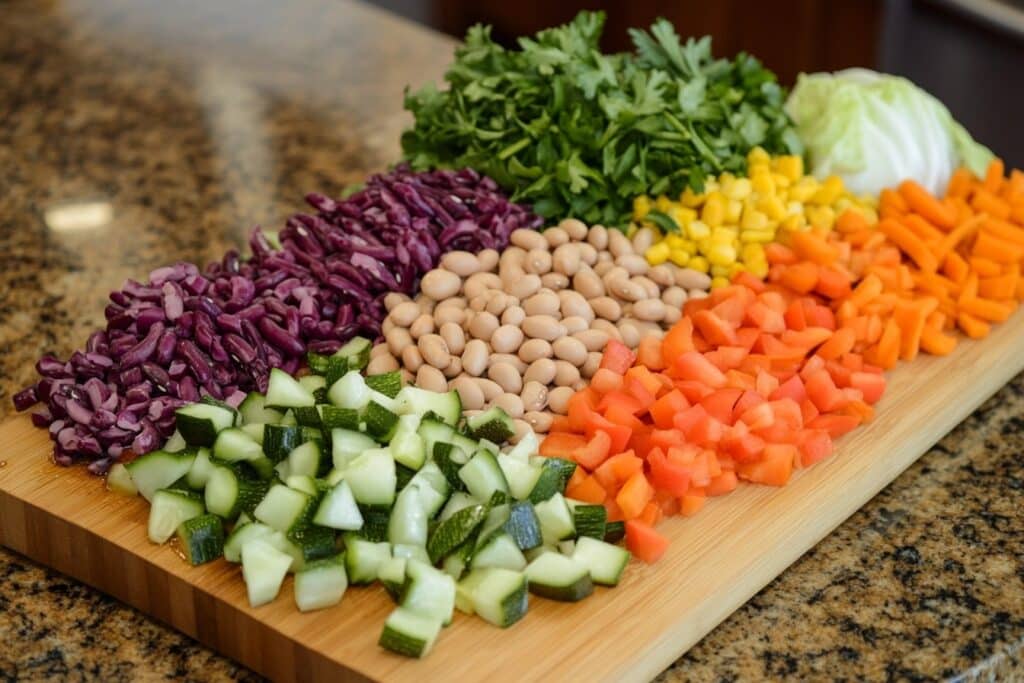
Vegetables Used in Swamp Soup
Swamp soup shines because of its vibrant array of veggies. Typically, you’ll find leafy greens like spinach, kale, or collards, which give it that swampy look. Other favorites include:
- Onions for a sweet and savory base.
- Celery for that classic soup crunch.
- Bell peppers for a pop of color and flavor.
- Carrots and zucchini to add texture and nutrition.
Feel free to get creative here—swamp soup loves variety! 🥕🥬
Protein Options: Traditional and Alternatives
Traditionally, swamp soup recipe includes proteins like smoked sausage, chicken, or even seafood, which lend a rich, smoky flavor. But the beauty of swamp soup is its adaptability. Don’t eat meat? No problem. Swap in:
- Tofu for a plant-based option.
- Lentils or chickpeas for a protein-packed twist.
The key is to choose something that complements the broth and veggies without overpowering them.
Unique Seasonings and Spices
Here’s where the magic happens. The seasonings take swamp soup from “meh” to “wow.” Common spices include garlic, thyme, paprika, and bay leaves. For a little heat, toss in some cayenne or red pepper flakes.
Pro Tip: Fresh herbs like parsley or cilantro add a burst of brightness just before serving. 🌿
Step-by-Step Swamp Soup Recipe
Preparation Time and Cooking Techniques
Ready to whip up a pot of swamp soup? You’ll need about 15 minutes for prep and 30-40 minutes for cooking. It’s an easy one-pot wonder that doesn’t require fancy techniques—just some good chopping skills and a willingness to taste as you go.
Detailed Recipe Instructions
Ingredients
| Ingredient | Quantity |
|---|---|
| Olive oil | 2 tablespoons |
| Onion (diced) | 1 large |
| Garlic (minced) | 3 cloves |
| Celery (chopped) | 2 stalks |
| Bell peppers (diced) | 2 medium |
| Kale or spinach | 4 cups (chopped) |
| Smoked sausage | 1 pound (sliced) |
| Chicken broth | 4 cups |
| Diced tomatoes | 1 can (14 oz) |
| Thyme | 1 teaspoon |
| Paprika | 1 teaspoon |
| Cayenne pepper | ½ teaspoon |
| Salt and pepper | To taste |
Directions
- Sauté the Aromatics: Heat olive oil in a large pot over medium heat. Add diced onion and celery, cooking until softened (about 5 minutes). Stir in garlic and cook for another minute.
- Build the Base: Add the sliced smoked sausage, letting it brown slightly to release its flavors. Stir in diced bell peppers and cook for 3 minutes.
- Add Broth and Tomatoes: Pour in chicken broth and the can of diced tomatoes. Bring the mixture to a simmer, letting the flavors meld.
- Incorporate the Greens: Stir in your chopped kale or spinach. Let it cook down for 5-7 minutes.
- Season to Perfection: Add thyme, paprika, cayenne, salt, and pepper. Taste and adjust as needed.
- Simmer and Serve: Reduce the heat and let the soup simmer for 15-20 minutes. Serve hot with a crusty slice of bread.
“Cooking swamp soup is like painting a masterpiece—layer flavors carefully, and taste often.”
Tips for Perfectly Balanced Flavors
- Don’t rush the sautéing process. It’s the foundation of your soup’s flavor.
- If the soup tastes too acidic, add a pinch of sugar to balance it out.
- Want a creamier texture? Stir in a splash of heavy cream or coconut milk at the end.
Common Problems and Solutions
Even the best cooks face challenges. Swamp soup recipe may be easy to make, but a few hiccups can crop up along the way. Let’s troubleshoot and make sure your soup turns out perfect every time.
Adjusting Texture: Too Thick or Too Thin
Is your swamp soup looking more like a swamp stew or swamp water? Don’t worry—it’s fixable!
- Too thick? Add a bit of extra broth or water, one ladle at a time, until you hit the right consistency. Stir gently to ensure everything blends well.
- Too thin? Mash a few of the vegetables in the pot with a fork or potato masher. This releases their natural starches and thickens the soup.
“Soup too thick? Think of it as a hug that’s a little too tight—add some breathing room with broth.”
Avoiding Overpowering Spices
We’ve all been there—one heavy-handed shake of cayenne, and suddenly your soup is on fire. If this happens:
- Add a splash of cream, coconut milk, or a dollop of yogurt to tone down the heat.
- Toss in a peeled potato and let it simmer for 10 minutes. The potato will absorb some of the excess spice.
How to Fix Common Cooking Mistakes
- Forgot an ingredient? No biggie. If it’s a leafy green or seasoning, you can stir it in during the last 5-10 minutes.
- Burnt the bottom? Don’t stir the burnt part into the soup. Transfer the top layer to a new pot and keep going.
“Every cooking mistake is just an opportunity to improvise.”
Variations of Swamp Soup Recipe
One of the best things about swamp soup is how customizable it is. Let’s explore some variations to suit different dietary needs and flavor preferences.
Vegan and Vegetarian Swamp Soup
Skip the meat and double down on veggies! Use vegetable broth as your base and add protein-packed options like lentils or chickpeas. You can even include mushrooms for a meaty texture.
“Who needs meat when you’ve got plants doing the heavy lifting?” 🌱
Gluten-Free Swamp Soup Options
Good news—swamp soup is naturally gluten-free as long as you avoid ingredients like processed sausages that might contain hidden gluten. Double-check your broth and spices, and you’re good to go!
Regional Twists and Family Favorites
- Southern Style: Add okra for a gumbo-inspired touch.
- Asian Fusion: Swap traditional seasonings for soy sauce, ginger, and sesame oil.
- Mediterranean: Incorporate olives, artichokes, and a splash of lemon juice.
“Swamp soup is like a blank canvas—paint it with your favorite flavors.”
Health Benefits of Swamp Soup Recipe
What makes swamp soup so special isn’t just its taste—it’s also packed with nutrients. Let’s take a closer look at how this dish can boost your health.
Nutritional Value of Key Ingredients
| Nutrient | Source | Benefits |
|---|---|---|
| Vitamin A | Kale, carrots | Supports eye health |
| Vitamin C | Bell peppers, tomatoes | Boosts immune system |
| Fiber | Leafy greens, celery | Aids digestion |
| Protein | Sausage, chicken, lentils | Builds and repairs body tissues |
How to Make Swamp Soup Healthier
- Use lean proteins like chicken breast or turkey sausage.
- Add more greens and veggies to increase the fiber content.
- Reduce sodium by using low-sodium broth and seasonings.
Pairing Swamp Soup with Other Dishes
Swamp soup is hearty on its own, but pairing it with the right sides and drinks can elevate your meal to a new level.

Best Bread and Side Dishes
- Cornbread: Its sweet, crumbly texture is the perfect complement.
- Garlic bread: Because who doesn’t love dunking crispy bread into warm soup?
- Simple side salad: A fresh, crisp salad balances the richness of the soup.
Beverage Pairings for Swamp Soup
- Iced tea: For a Southern vibe, go with sweet tea.
- Citrus-infused water: Refreshing and light, perfect for cutting through the soup’s richness.
Storing and Reheating Swamp Soup
Made too much? That’s actually a good thing—swamp soup tastes even better the next day!
Best Practices for Refrigerating and Freezing
- Refrigerating: Store leftovers in an airtight container and refrigerate for up to 4 days.
- Freezing: Let the soup cool completely, then transfer it to freezer-safe bags or containers. Freeze for up to 3 months.
Reheating Tips to Retain Flavor and Texture
- Stovetop: Heat gently over medium heat, stirring occasionally. Add a splash of broth if it’s too thick.
- Microwave: Reheat in short bursts, stirring in between to avoid uneven heating.
“Good soup is like a good memory—it’s worth savoring again and again.”
Conclusion
Why Swamp Soup Deserves a Spot on Your Table
Swamp soup isn’t just a dish—it’s an experience. From its quirky name to its bold flavors, it’s a meal that warms your heart and soul.
Encouragement to Experiment and Share
Don’t be afraid to make this recipe your own. Add your favorite ingredients, experiment with spices, and most importantly, share it with loved ones. After all, good food is meant to be enjoyed together.
“Swamp soup: quirky name, unforgettable taste.” 🥣